Reflections on the Conference from MnMN Leaders


Rev. Dr. Tom Duke
MnMN Special Advisor & Volunteer


I want to share a few observations following the 2023 MnMN Annual Conference held last week. I'm sure you've noticed the difference between a high energy room full of people and one where there is a low level of energy and camaraderie. The MnMN conference was definitely a case of the former, where the buzz was loud and persistent. From the opening, when Prof. Anant Rambachan, MnMN's board chair, welcomed folks and invited--no, urged--us all to help create an "all inclusive 'we'" along with the inevitable "we" of our many separate identities and affiliations, to the wrap-up of the Sikh Langar meal, I sensed an unusually high level of energy as participants greeted old friends and met new ones.


The conference is meant to inspire, connect and equip people, from the widest range of faith traditions possible, for the various tasks of interfaith work carried out by MnMN members and friends--relationship-building, service, increasing religious literacy, advocating for justice, and welcoming strangers to name a few.


Under the theme of "Hospitality?," the sessions illuminated both ancient wisdom and contemporary challenges about how we treat each other. We all know that our world-globally and locally-is challenged by human tendencies to separateness, stereotypes, fear, ignorance, animosity and even violence. I, for one, felt uplifted and encouraged by the energy and sense of the magic of meeting across differences, hearing the stories, meeting with peers, addressing specific topics, and seeing the dynamic shift from "we-they" to "us." My hope and prayer is that this shift can be multiplied over and over, and that MnMN will continue to grow into being a means for diverse faith communities to move into greater appreciation of their common features and interests, leading to common action for the common good. The conference seemed to me to be an important step in this direction. See you at the next one!


Dr. Danielle Clausnitzer
MnMN Board Member & Emerging Leaders Multifaith Action Council Co-Chair


Increasingly, young people are growing less interested in participating in traditional faith communities. During the 2023 Annual Minnesota Multifaith Network Convening, myself and Dr. Hans Gustafson from the Jay Phillips Center for Interreligious Studies discussed the differing trends in religiosity and spirituality among young people today. In this presentation, both Dr. Gustafson and myself discussed why and how young people are increasingly reimagining faith, community, and activism within the context of their own lives. 


Some of the important elements of my own presentation involved increasing disaffiliation and the activist considerations of young people when selecting their own religious affiliations. According to the Pew Research Institute, 49% of “nones,” or those without a fixed, institutional religious tradition, have left their childhood religious tradition because they simply no longer believe, 20% dislike organized religion, and 18% are religiously unsure. Perhaps more important than these statistics, however, are the reasons why “nones” are increasingly suspicious of mainline religious affiliation. Again according to Pew Research Institute, in addition to the lack of belief in the divine, atheists, agnostics, and “nothing in particulars” have reported that lack of satisfaction with the positions religious organizations take on social and political issues, the organizations themselves, and their leaders are all major reasons why “nones” are continuing to leave these communities. 


Taking the feelings of “nones” into consideration, there is a great potential for growth among institutions to help re-integrate these “nones’ or “nothing in particulars” into religious or spiritual communities. The first opportunity for growth is for organizations to become more involved and outspoken about their commitment to social justices issues. Openly supporting the issues that young people support such as climate change, anti-racism, and LGBTQ+ inclusion and ensuring that action is taken to support these issues, in turn, has the potential to reinstate trust in the minds of “nones” who left religious organizations due to a lack of concern for such groups. Another outlet religious institutions can utilize in their activism, and to gain support for their communities, is the use of social media. Advocating for causes, including your own, on social media creates more interest for those who use it regularly, such as millennials and gen Z. These approaches, and more, can help to grow your community and help young people feel more a part of your mission. It was a pleasure to share these facts and more during the conference. 


Hans Gustafson, Ph.D.

MnMN Network Council & Director of Jay Phillips Center for Interreligious Studies, University of St. Thomas


The recent breakout session at the MnMN Annual Conference, titled "Beginning the Conversation about Religion and DEI in Higher Education in Minnesota," was a thought-provoking gathering for Higher Education professionals working in Minnesota. Participants, representing twelve colleges and universities in Minnesota, both public and private, discussed the integration of religious diversity into DEI (Diversity, Equity, and Inclusion) efforts on their campuses. Key concerns addressed included the challenges of incorporating religion into broader DEI initiatives, even within confessionally religiously affiliated schools, and the need for holistic approaches that consider the intersection of various identities, such as race, gender, culture, language, and religion. The session highlighted the evolving religious landscape on campuses, with a growing presence of interfaith curious non-religious and religiously unaffiliated students. Several participants acknowledged that DEI efforts often become siloed among different campus groups, leading to a lack of cohesive strategy and missed opportunities for leveraging the expertise of faculty who study religion, culture, and other relevant areas.


The discussion also addressed the skills and knowledge often needed to handle crises related to religious diversity, the framing of DEI work (navigating discomfort while minimizing harm), and the importance of non-curricular opportunities for students to engage across differences. Participants considered how to extend DEI efforts beyond representational diversity, focusing on curricular and structural aspects, and the importance of looking beyond their campuses to learn from community partners and organizations. The MnMN Higher Education Convening Group extends an open invitation to all Higher Education professionals in Minnesota who engage religious diversity in their work and would like to join the group, contribute to the development these efforts, or lead future initiatives that engage religious diversity. The Convening group is led by Hans Gustafson (University of St. Thomas), Matt Maruggi (Augsburg University), Jen Kilps (MnMN), Anantanand Rambachan (St. Olaf College Emeritus), Marty Stortz (Augsburg University Emerita), Deanna Thompson, (St. Olaf College), and Andy Tix (Normandale Community College).

By Bob Hulteen September 3, 2026
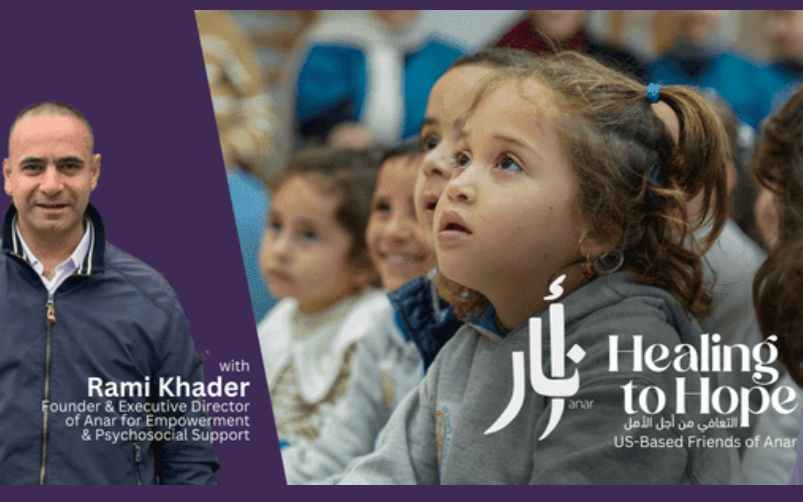
Sunday, September 20, 1:00 p.m. (RSVP required); Legacy Dream Space, 2205 California Street NE, Studio 212, Minneapolis Sunday, September 20, 2:00 - 4:30 p.m.; Legacy Dream Space, 2205 California Street NE, Studio 212, Minneapolis Monday, September 21, 7:00 p.m.; St. John's Lutheran Church, 500 Third Street West, Northfield Tuesday, September 22, 7:00 p.m.; New City Center, 3104 16th Avenue South, Minneapolis Anar founder and executive director Rami Khader will be touring the U.S. on a "Healing Beyond the Headlines: Building a Movement of Hope for Palestinian Children" tour in September and October. Khader will be at several events in Minnesota September 20-23. Khader will share stories from the ground in the West Bank and Gaza, offering a vision of a healing for Palestinian children and their caregivers beyond the stories often heard in the news. 
By Bob Hulteen September 3, 2026
Sunday, September 20, Noon - 2:00 p.m.; Lake Street/Marshall Avenue bridge (each side), Minneapolis/St. Paul Participants will gather on each side of the Lake Street/Marshall Avenue bridge at noon, and will walk out to the middle of the bridge to join hands with people from the other side of the bridge at 1:00 p.m. At 1:30 p.m., Imnizaska Indigenous singers and drummers will lead a blessing of the Mississippi. The mayors of the two Twin Cities will offer a proclamation at that time. The gathering will be completed by 2:00 p.m. 
By Alicia Coombes September 3, 2026
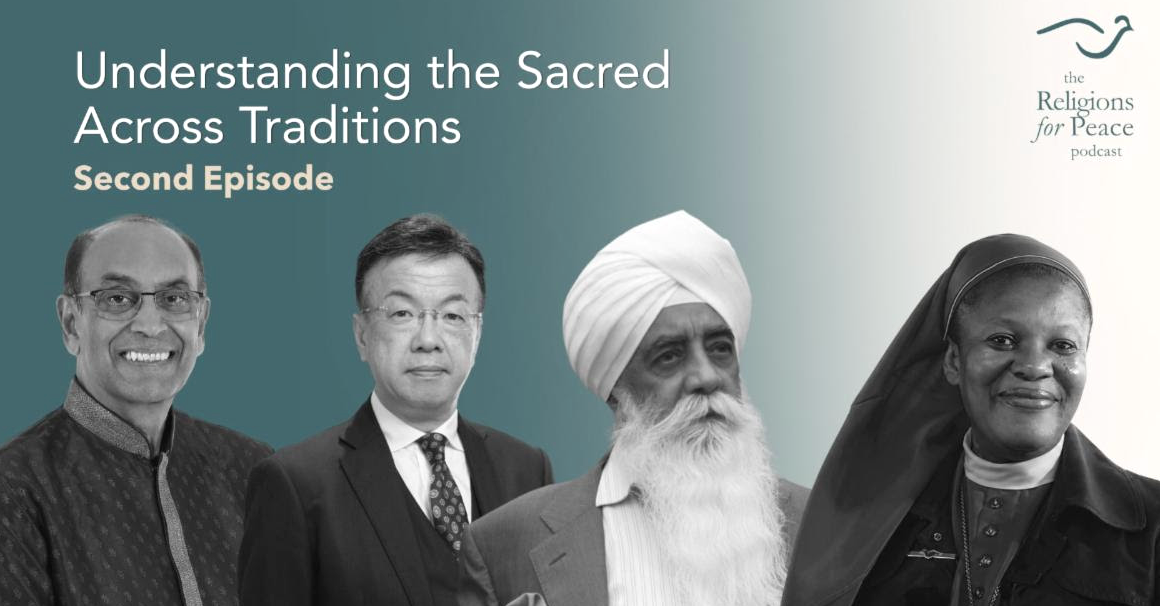
Episode 2 of the Religions for Peace podcast explores "Understanding the Sacred Across Traditions," examining how different faiths understand the Sacred and how these diverse perspectives can foster unity, compassion, and shared action for peace through the vision of Shared Sacred Flourishing. Shared Sacred Flourishing is a framework to foster interreligious collaboration based on the Shared Sacred Worldview. All in the Religions for Peace movement “share” in holding a Sacred Worldview; Shared Sacred Flourishing affirms religious diversity as a strength, rather than homogenizing it. Episode 2 of the podcast explores how distinct world religions understand the Sacred, and how this rich diversity serves as a source of unity rather than division. Introduced by Sister Agatha Ogochukwu Chikelue, the episode demonstrates how grounding action in sacred virtues provides a vital response to the global polycrisis. 
By Bob Hulteen July 24, 2026
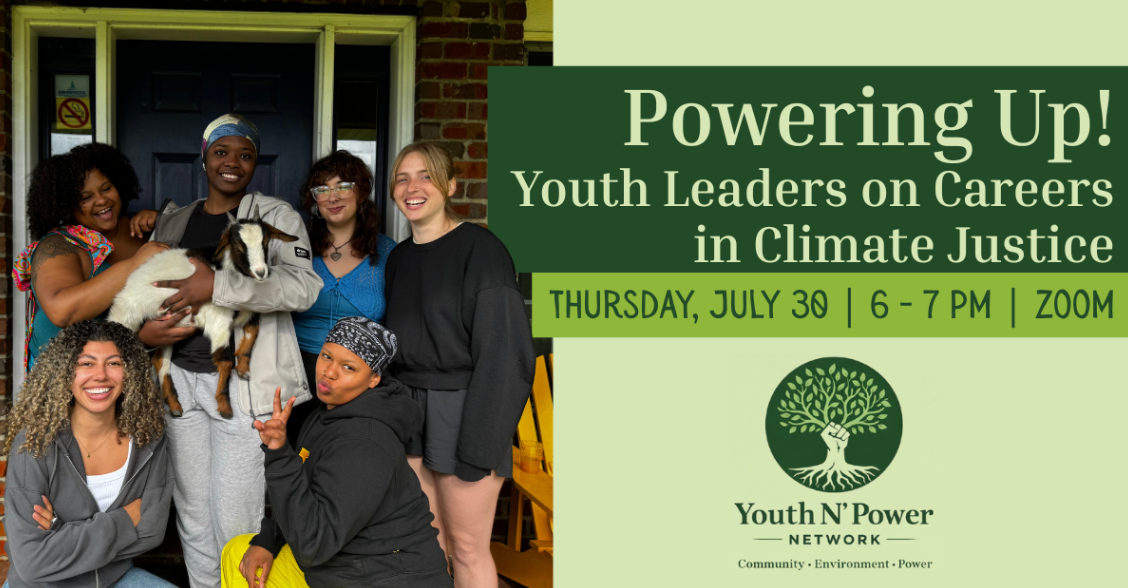
Thursday, July 30, 6:00 - 7:00 p.m.; Zoom Young people across the state are interested in pursuing careers in climate justice. Many of them have already become leaders in the field! Join Youth N'Power for a conversation and presentation about young leaders and their experiences in climate justice careers. You’ll hear firsthand about their experiences navigating school, careers, advocacy, and the transition into becoming professionals. Whether you’re interested in climate justice, community organizing, conservation, or exploring career opportunities, this conversation will offer honest insights, perspective, advice, and encouragement from young people. 
By Bob Hulteen July 14, 2026
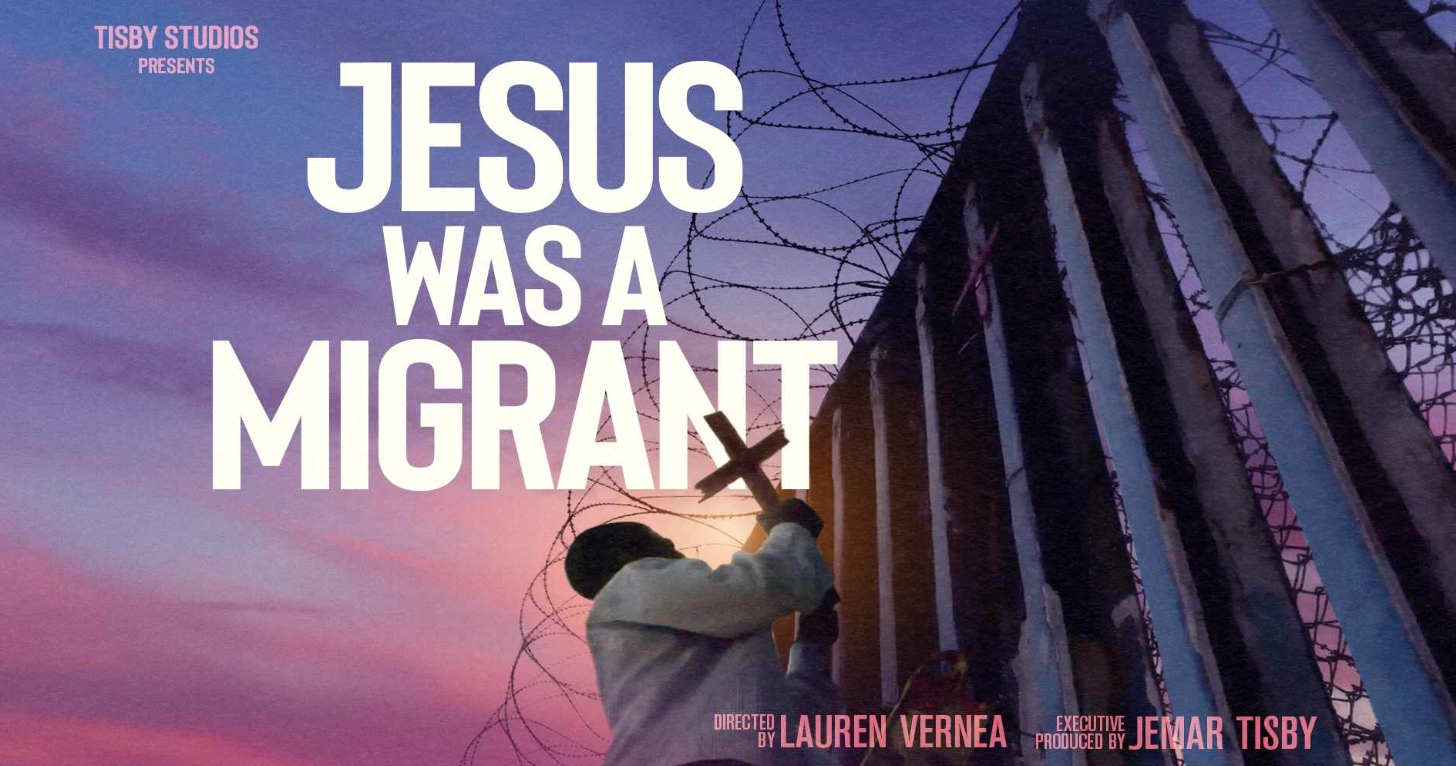
Thursday, August 13, 6:30 p.m, doors open, and 7;00 p.m., screening begins; House of Hope Presbyterian Church, 797 Summit Avenue, St. Paul Join the Minnesota Council of Churches and Minnesota Multifaith Network for a free screening of the documentary “Jesus Was a Migrant,” followed by a guided conversation on Thursday, August 13! This thought-provoking film explores the intersection of faith, migration, and the lived experiences of immigrants and refugees — providing an apt mirror as we reflect on the circumstances we find ourselves in today. Following the screening, guests are invited to participate in a facilitated conversation to discuss the film's themes and consider how faith calls its practitioners to regard their neighbors with compassion, dignity, and understanding. This event is free to attend, but seating is limited. Please register by August 6 to reserve your seat. 
By Bob Hulteen July 14, 2026
The body content of your post goes here. To edit this text, click on it and delete this default text and start typing your own or paste your own from a different source.
By Bob Hulteen July 14, 2026
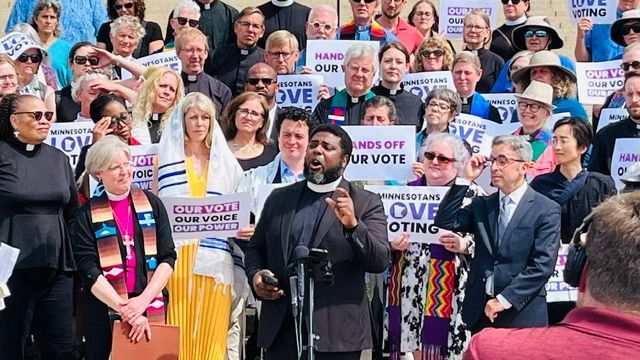
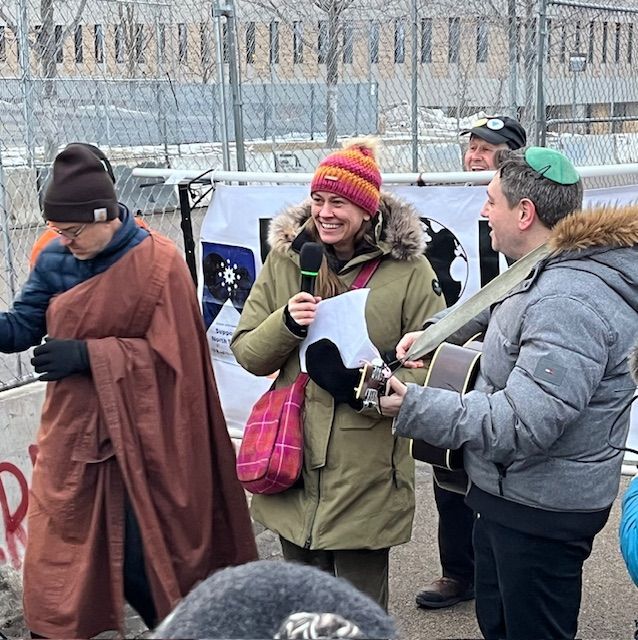
By Rev. Tom Duke On a steamy, sunlit morning at the Minnesota State Capitol, I stood—proud and admittedly sweaty—among about sixty-five clergy from many religious traditions. We gathered in our varied symbolic garb to affirm a shared commitment: advocating for voting processes that are free, fair, secure, and accessible to all eligible voters in the upcoming elections. Why is this the business of clergy? Because protecting the right to vote protects human dignity—a core value upheld across virtually all religious traditions. That dignity, and the voting rights that honor it, form the foundation of just, peaceful, and healthy communities. Most faith traditions aspire to such communities, and they recognize that democracy depends on safeguarding the voice of every citizen. This commitment is not about partisan politics or specific policy agendas. It is about human thriving and well‑being. Religious leaders understand how institutions can be distorted, even corrupted, by greed and the pursuit of power, and how accountability to voters is a necessary check on those tendencies. The opportunity to choose leaders—or reject them—is as close to sacred as a secular process can be. What made this press conference especially powerful was that clergy from multiple religious traditions spoke publicly with one voice. That unity is possible only because of years of intentional relationship‑building across differences—work that cultivates trust, mutual respect, and shared purpose. Through that process, leaders discover shared values, principles, and aspirations, even as they acknowledge real differences. Although differences often draw the most attention, far more is held in common across traditions than most people realize. When we do not know what we have in common, our differences will divide us; when we do know what we share, those differences can enrich us. Respectful and appreciative relationship‑building across differences is not optional; it is essential to our collective future. As theologian Hans Kung observed, “without peace among religions there will not be peace in the world.” Each of us can stretch toward greater curiosity, reaching out to neighbors of different cultures and traditions to learn what we share and where we differ. We can also support organizations that cultivate interreligious cooperation in service and justice work. I’m grateful to ISAIAH and Faith in US for convening this press conference and to the Minnesota Multifaith Network (MnMN) for its years of relationship‑building. You can read a news story about the press conference and explore the national clergy sign‑on letter, " Faith Leaders Defending Democracy ," which has already been signed by nearly 2,000 clergy across many states. 
By Bob Hulteen July 3, 2026
Thursday, July 9, 11:00 a.m. - Noon; Virtua l Peace and Justice Studies Association (PJSA), as part of its Leading Social Change Scholar Series, will offer a free webinar lead by Dr. Hudda Ibrahim under the title "From Somalia to ICE: Working for Peace and Justice for Somalis in Central Minnesota." Dr. Ibrahim is a St. Cloud City Council member, who leads OneCommunity Alliance, a nonprofit that expands homeownership for new Americans in Central Minnesota. She previously taught liberal arts and humanities at St. Cloud Technical and Community College for more than ten years. She later transitioned into consulting, where she trained employers in workplace leadership, cultural competency, and employee retention. Dr. Hudda holds a doctorate in leadership from Saint Mary's University of Minnesota. She also earned a master's degree in conflict resolution from the University of Notre Dame, Indiana, and a bachelor's degree in conflict resolution from Saint Benedict and Saint John's University. 
By Bob Hulteen July 3, 2026
Wednesday, July 8, 8:30 - 10:00 a.m.; The Heights, 1400 North Winthrop Street, St. Paul Celebrate the launch of an inspirational new program: Pope Leo Village! Inspired by Pope Leo XIV’s commitment to social justice, compassion, and service, this national interfaith movement unites people of all backgrounds to build homes, community, and hope. Locally, Pope Leo Village will help build five homes at The Heights on St. Paul’s Greater East Side. Volunteer opportunities extend to other build sites around the metro and Habitat For Humanity's ReStore locations. The event includes refreshments, speaking program featuring Archbishop Bernard Hebda, and a ceremonial wall-raising. Please RSVP by Friday, July 3. 
By Bob Hulteen July 2, 2026
Minnesota has long been a place of refuge. Generations of immigrants, refugees, and people fleeing war, persecution, and violence have found not only safety here but the opportunity to build new lives. They are our neighbors, coworkers, classmates, business owners, and faith leaders. They have helped shape the rich religious diversity that strengthens our state. Today, however, many of these communities are living with profound uncertainty. Changes to Temporary Protected Status (TPS) and new restrictions on access to asylum have left families wondering whether the homes, livelihoods, and communities they have built can endure. This week the Supreme Court issued two significant immigration rulings that narrow humanitarian protections. Mullin v. Al Otro Lado , the Court upheld the federal government's policy of turning away people seeking asylum at U.S. ports of entry. Mullin v. Doe , the Court ruled that the Trump administration may end Temporary Protected Status (TPS) for thousands of immigrants from Haiti and Syria many who face life-threatening consequences if forced to return to their country of origin. This moment is especially troubling because it challenges a commitment the world made in the aftermath of World War II: that people fleeing persecution should have the opportunity to seek protection. The Universal Declaration of Human Rights affirms in Article 14 that "everyone has the right to seek and to enjoy in other countries asylum from persecution." Across our religious traditions, this principle resonates with a shared moral conviction that those escaping violence, oppression, or religious persecution deserve compassion rather than exclusion. As access to asylum narrows and humanitarian protections are reduced, many of the world's most vulnerable people—including those persecuted because of their faith—face even greater insecurity. For the Minnesota Multifaith Network, this is not simply a debate about immigration policy. It is a test of the kind of society we seek to build. Our diverse religious, spiritual, and philosophical traditions teach that every human life possesses inherent dignity and that we are called to care for the stranger and stand alongside those who live in fear. At a time when anxiety and division are reshaping our public life, we believe our deepest values invite us to resist fear with relationship, indifference with solidarity, and exclusion with hospitality. In doing so, we strengthen not only immigrant communities but the moral fabric of Minnesota itself. Minnesotans are not powerless in the face of these challenges. Each of us can help preserve our state's tradition of welcome by building relationships across cultures and faiths, supporting organizations that accompany refugees and asylum seekers, advocating for policies that uphold human dignity, and speaking out when fear and misinformation threaten our neighbors. Faith communities, civic organizations, and individuals all have a role to play in creating places where newcomers are seen, heard, and valued. By choosing compassion over indifference and courage over fear, we affirm that every person is worthy of dignity, safety, and belonging. In doing so, we not only stand with migrants and those seeking asylum—we strengthen the bonds of trust, justice, and pluralism that make Minnesota a place where all can flourish. The most important document that makes clear the rights of refugees and asylum seekers is found in the United Nations The 1951 Refugee Convention and 1967 Protocol. The Shoulder to Shoulder Campaign has shared the following list of resources and statements below for you and your networks, in case they may be helpful in light of these decisions.  FWD.us - statement and resources RNS Article: As Supreme Court clears way to deport Haitians and Syrians, faith leaders grieve, prepare for what’s next (indexed in Atlas of American Belonging) What is happening with Temporary Protected Status (TPS) in the United States" — FAQs from International Refugee Assistance Project Shoulder to Shoulder Campaign post Church World Service (CWS) - roundup of resources and ways to take action Bend the Arc: Jewish Action Muslim Civi Coalition Interfaith Immigration Coalition Muslim Advocates Muslims for Just Futures We Are All America Religious Action Center of Reform Judaism Jewish Council for Public Affairs National Council of Jewish Women National Network for Arab American Communities American Friends Service Committee Jesuit Refugee Service/USA Communities United for Status and Protection CAIR Center for Constitutional Rights Human Rights First CASA National Immigration Project The Leadership Conference on Civil and Human Rights National Immigration Law Center National TPS Alliance Haitian Bridge Alliance
Show More