Rally and March for Nonviolence With Hands Across the Mississippi River

Sunday, September 20, Noon - 2:00 p.m.; Lake Street/Marshall Avenue bridge (each side), Minneapolis/St. Paul
Participants will gather on each side of the Lake Street/Marshall Avenue bridge at noon, and will walk out to the middle of the bridge to join hands with people from the other side of the bridge at 1:00 p.m. At 1:30 p.m., Imnizaska Indigenous singers and drummers will lead a blessing of the Mississippi. The mayors of the two Twin Cities will offer a proclamation at that time. The gathering will be completed by 2:00 p.m.
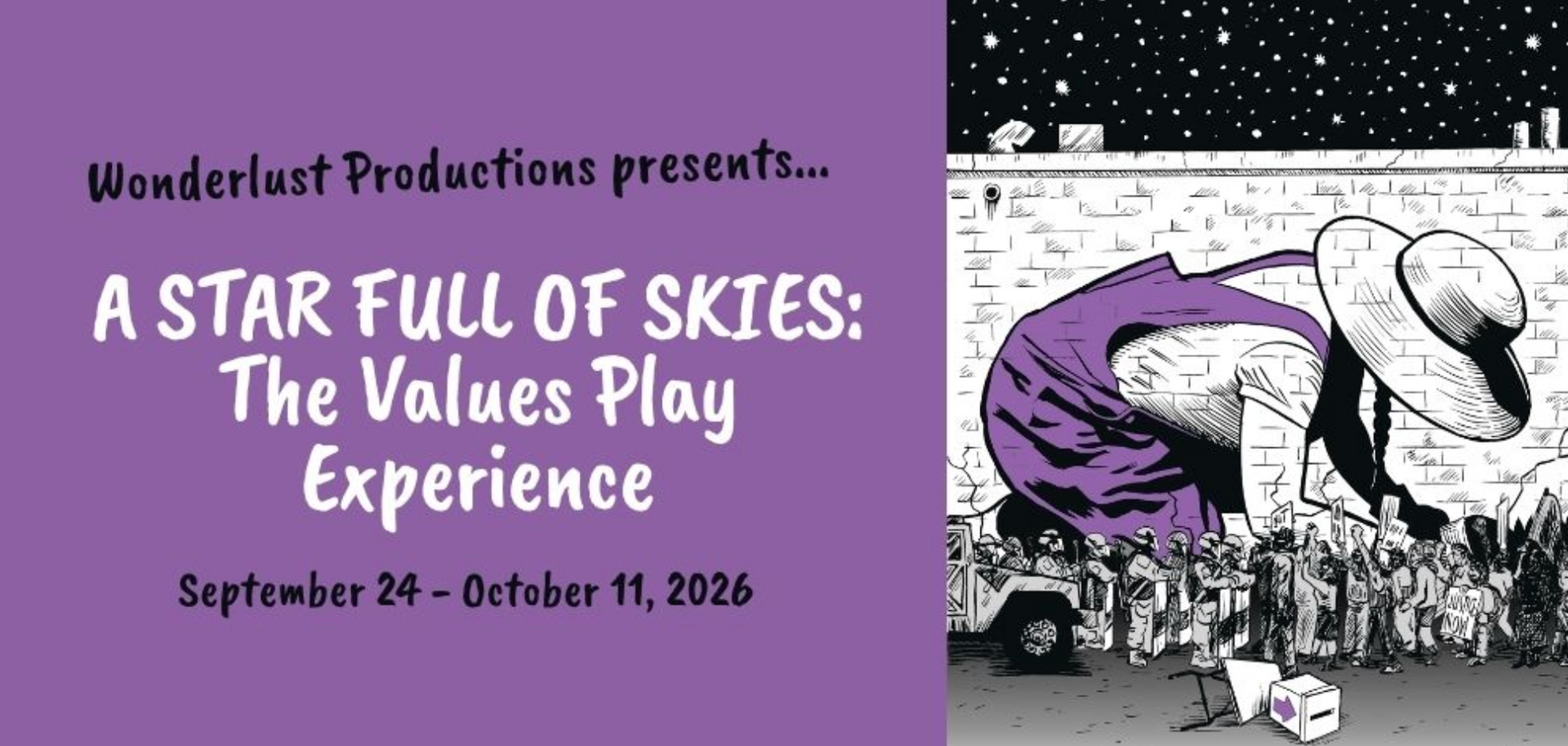
Thursday, October 8, through Sunday, October 11, 7:30 p.m., except Sunday at 3:00 p.m.; Frey Theater, St. Catherine University, 2004 Randolph Avenue, St. Paul “A Star Full of Skies: The Values Play Experience” is a new play about our nation's culture wars, from the perspective of Minnesotans and their values. The show was created from interviews conducted with more than 400 people about what matters most to them. This play is sure to inspire thoughtful conversations about society, democracy, values, and freedom. This show is best seen in groups because it's designed to provoke thoughtful, open-hearted, curious conversation. Also, it’s fun. The audience gets to participate in its own democracy as it votes for which scene to see next, and no two performances are the same. Remaining performances take place Thursday, October 8, through Sunday, October 11, at the Frey Theater on the campus of St. Catherine University. You can purchase tickets, priced on a sliding scale, and find out more about the production using the button below.
Thursday, October 8, 2026, 6:00 – 8:00 p.m., Rauenhorst Ballroom, Coeur de Catherine, St. Catherine University, 2004 Randolph Avenue, St. Paul The event, "Building Bridges: Interfaith Dialogue for the Common Good," is co-hosted by the St. Catherine University Center for Spirituality and Social Justice and the Niagara Foundation–Minnesota Branch. It aims to foster meaningful cross-cultural connection, shared learning, and community collaboration. Join this evening of shared conversation and food. Dr. Jon Pahl, an author, historian, and community activist, will offer a short keynote address, followed by dinner, table discussions, group sharing, and a Q&A session. The event is free (including dinner). Registration is required.
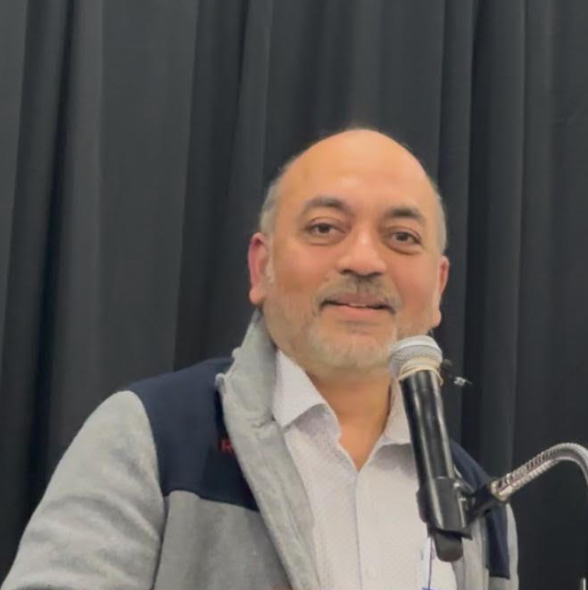
Minnesota Multifaith Network leader Zafar Siddiqui recently wrote an opinion article that was printed in the Minnesota StarTribune . It is reprinted below. Siddiqui is a Twin Cities-based interfaith and civil rights advocate. He is the co-founder of Islamic Resource Group. Like clockwork, the Sharia scare is back. Each election season since 2006, the same playbook is unleashed on Americans. The goal is to create an irrational fear of a nonexistent threat to divert attention from real issues we are currently facing. It is a solution in search of a problem. Its favorite ploy is the story of a Muslim “takeover” of America through Sharia “law” replacing the U.S. Constitution. Despite Muslims being only 1% of our country’s population, this fearmongering finds traction because foundations and charitable institutions have pumped enormous amounts of money into a deliberate campaign to create fear of Islam and Muslims. Reports from the Center for American Progress and Council on American-Islamic Relations have traced hundreds of millions of dollars to this network. I remember this happening back in 2006 when Keith Ellison successfully ran to become the first Muslim elected to Congress and Minnesota’s first Black member of Congress. His decision to take his ceremonial oath on the Quran caused an uproar, which Ellison sought to douse by using Thomas Jefferson’s Quran from the Library of Congress. During this election cycle, the Sharia-Free America Caucus, comprising 68 House members, including my own congressman Tom Emmer, is spearheading this alarmism. Here in Minnesota, state Sen. Michael Holmstrom announced last month the launch of the Sharia-Free Minnesota Caucus. At the Republican midterm convention earlier this month in Dallas, party leaders made Sharia an explicit election-season issue. Texas Gov. Greg Abbott promised to “fully ban Sharia law in Texas,” while U.S. Sen. Ted Cruz declared that it “has no place in America” and is “fundamentally inconsistent with the Constitution.” A University of California, Berkeley’s report identified 223 anti-Sharia bills that were introduced in 43 state legislatures between 2010 and 2018 — 20 of which were enacted in 13 states. Nearly all were disguised as bans on “foreign law” after Oklahoma’s explicit ban on Sharia was struck down by a federal court in 2013 for singling out one religion. American courts already reject any religious rule or private agreement that violates the Constitution or another person’s rights. So what problem are these bills trying to solve? It may come as a shock to many, but Sharia requires Muslims to honor their commitments and obey the laws of the country where they live. That includes upholding the Constitution. What is Sharia? That question should be answered by Muslims, not by those who have made a career of attacking Islam. For me, following Sharia means praying five times a day, fasting during Ramadan, giving charity, eating halal food, caring for my family and neighbors and being a contributing member of society. These are personal religious and moral principles that fit into the five central objectives of Sharia, namely the protection of faith, human life, intellect, family and property. Do these objectives sound like a plan to overthrow the Constitution? Some will point to governments or extremist groups that invoke Sharia to justify human rights abuses. That is how Sharia became confused with penal law. But what a government calls Sharia is its own interpretation, not a single code accepted by Muslims everywhere. Penal law is only a small part of fiqh, the human interpretation of Sharia. Judaism has halakha, which guides Jewish religious and daily life, and the Catholic Church has canon law. Journalist Arno Rosenfeld recently asked readers to imagine a “Talmud Free America” caucus based on the claim that Jewish law was incompatible with American values. Imagine also if state legislatures began passing laws against Catholic canon law. We would recognize this as an attack on religious freedom. Why is the standard different when the religion is Islam? The Sharia scare is being created from thin air. No mainstream American Muslim organization is asking to replace our Constitution with Sharia. In fact, American Muslims have been demanding that our country adhere to the Constitution in both letter and spirit, and honor its guarantees of religious freedom, freedom of speech, equal protection and due process. The electoral successes of New York City Mayor Zohran Mamdani and U.S. Senate candidate Abdul El-Sayed in Michigan demonstrate that this fearmongering is facing headwinds from a younger America that is not interested in conspiracy theories driven by well-funded special interests. Muslims are very much part of the mosaic of American society with increasing political participation. They are invested in safeguarding and upholding our Constitution precisely because Sharia demands it.
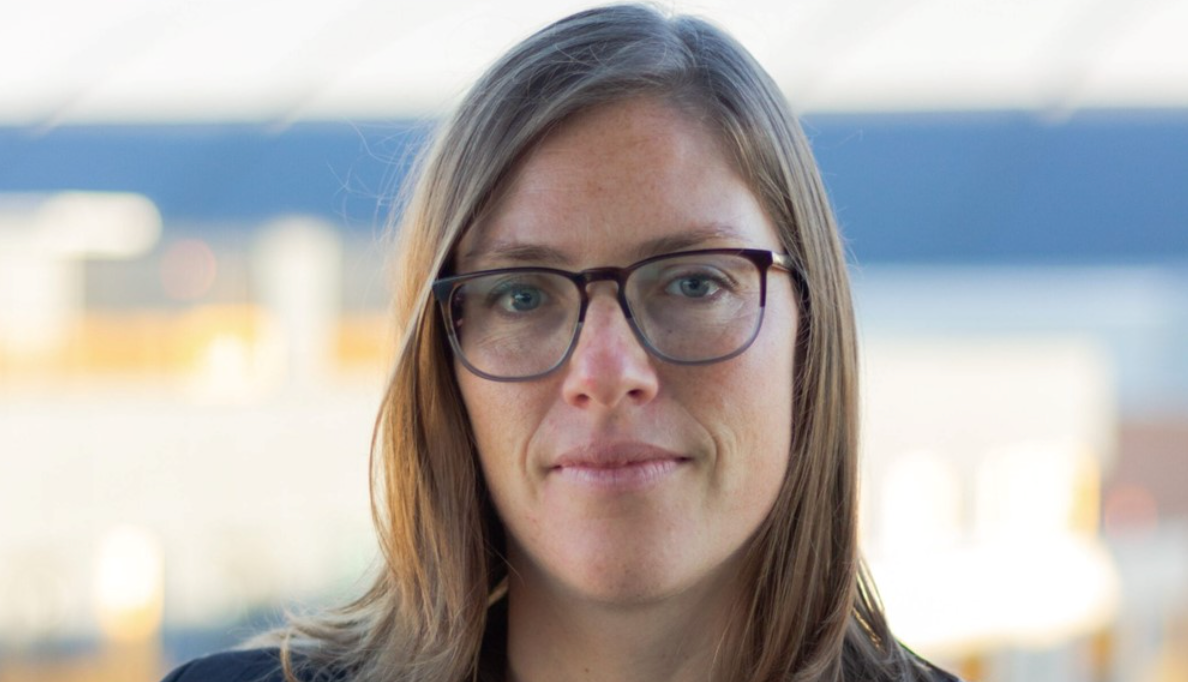
Tuesday, October 6, Noon - 1:10 p.m.; Woulfe Alumni Hall North, Room 378N, Anderson Student Center, 2115 Summit Avenue, St. Paul The Jay Phillips Center for Interreligious Studies at the University of St. Thomas is hosting Dr. Katharine Gerbner, Associate Professor of History and Director of Religious Studies at the University of Minnesota - Twin Cities, on Tuesday, October 6. Her talk is titled "Who Decides What Counts as Religion? Obeah, Slavery, and the Making of Religion in Colonial Jamaica." The event is free and open to the public.
Thursday, October 1, 7:00 p.m.; OEC Auditorium, University of St. Thomas, 2115 Summit Avenue, St. Paul As America marks 250 years since its founding, we have an opportunity to tell a fuller story of the people and communities that have helped shape this country. Muslims have been part of the American story for centuries, yet much of their history and contributions remain unfamiliar to many Americans. As IRG celebrates its 25th anniversary, we believe this is a fitting time to share more of that story. Islamic Resource Group (IRG) is hosting a viewing of "The American Story You Haven’t Heard," a special showing of "The Great Muslim American Road Trip." This nationally broadcast documentary series follows Muslim American couple Mona Haydar and Sebastian Robins on a 3,000-mile journey along Route 66. Along the way, they meet people from different backgrounds and explore the long history of Muslims in America and their contributions to the country. Executive Producer Jawaad Abdul Rahman will take viewers through the film and share some of the stories behind it. Join this evening of film, history, refreshments, and conversation. The event is free, but registration is required.
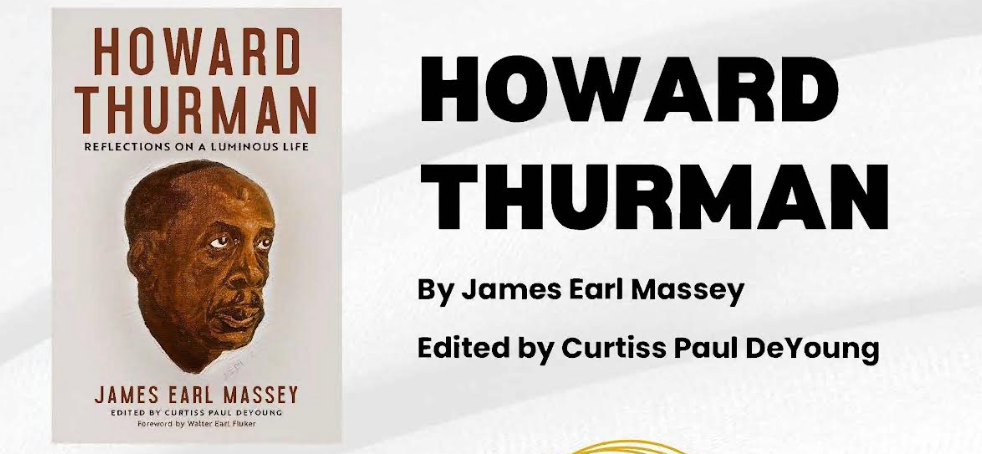
Wednesday, September 30, 4:00 - 6:00 p.m.; United Theological Seminary of the Twin Cities, 767 Eustis Street, Suite 140, St. Paul This biography and assessment of Howard Thurman’s thought was originally written in the 1970s. Howard Thurman was an active participant with author James Earl Massey in the content. The book was never published. Now, 50 years later, the book is available to the public with additional editorial commentary by the Rev. Dr. Curtiss DeYoung. The foreword to the book is written by Walter Fluker, Senior Director of the Howard Thurman Papers Project at Boston University. This launch event for the book includes a panel discussion on the importance of Howard Thurman for today. Panelists are: Dr. Tamice Spencer-Helms, United adjunct faculty member and DMin alum Rev. Tyler Ho-Yin Sit, Founding Pastor of New City Church, Minneapolis Rev. Alanna Simone Tyler, Associate Pastor for Justice and Mission at Westminster Presbyterian Church, Minneapolis Books will be available for sale at the event at a discounted price.
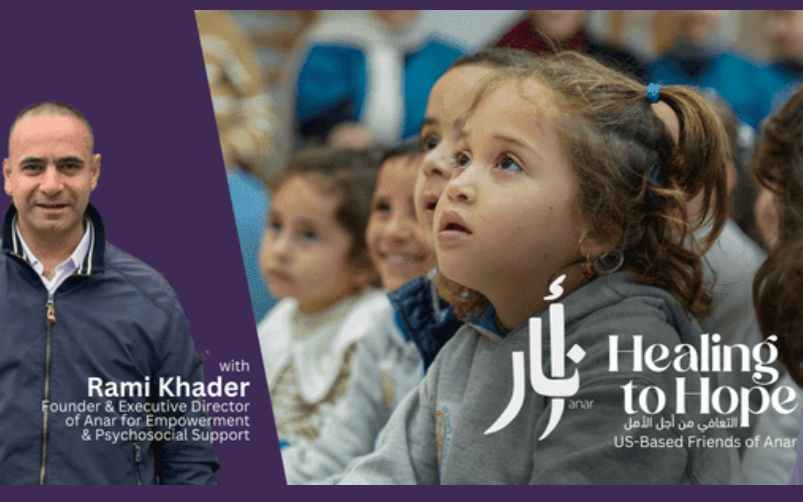
Sunday, September 20, 1:00 p.m. (RSVP required); Legacy Dream Space, 2205 California Street NE, Studio 212, Minneapolis Sunday, September 20, 2:00 - 4:30 p.m.; Legacy Dream Space, 2205 California Street NE, Studio 212, Minneapolis Monday, September 21, 7:00 p.m.; St. John's Lutheran Church, 500 Third Street West, Northfield Tuesday, September 22, 7:00 p.m.; New City Center, 3104 16th Avenue South, Minneapolis Anar founder and executive director Rami Khader will be touring the U.S. on a "Healing Beyond the Headlines: Building a Movement of Hope for Palestinian Children" tour in September and October. Khader will be at several events in Minnesota September 20-23. Khader will share stories from the ground in the West Bank and Gaza, offering a vision of a healing for Palestinian children and their caregivers beyond the stories often heard in the news.
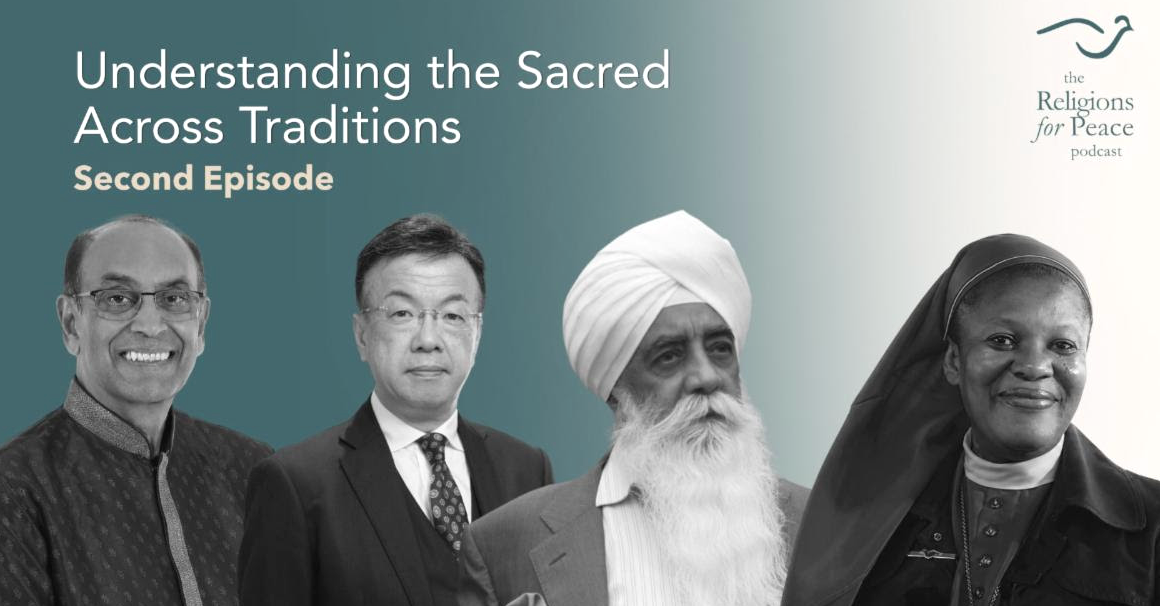
Episode 2 of the Religions for Peace podcast explores "Understanding the Sacred Across Traditions," examining how different faiths understand the Sacred and how these diverse perspectives can foster unity, compassion, and shared action for peace through the vision of Shared Sacred Flourishing. Shared Sacred Flourishing is a framework to foster interreligious collaboration based on the Shared Sacred Worldview. All in the Religions for Peace movement “share” in holding a Sacred Worldview; Shared Sacred Flourishing affirms religious diversity as a strength, rather than homogenizing it. Episode 2 of the podcast explores how distinct world religions understand the Sacred, and how this rich diversity serves as a source of unity rather than division. Introduced by Sister Agatha Ogochukwu Chikelue, the episode demonstrates how grounding action in sacred virtues provides a vital response to the global polycrisis.
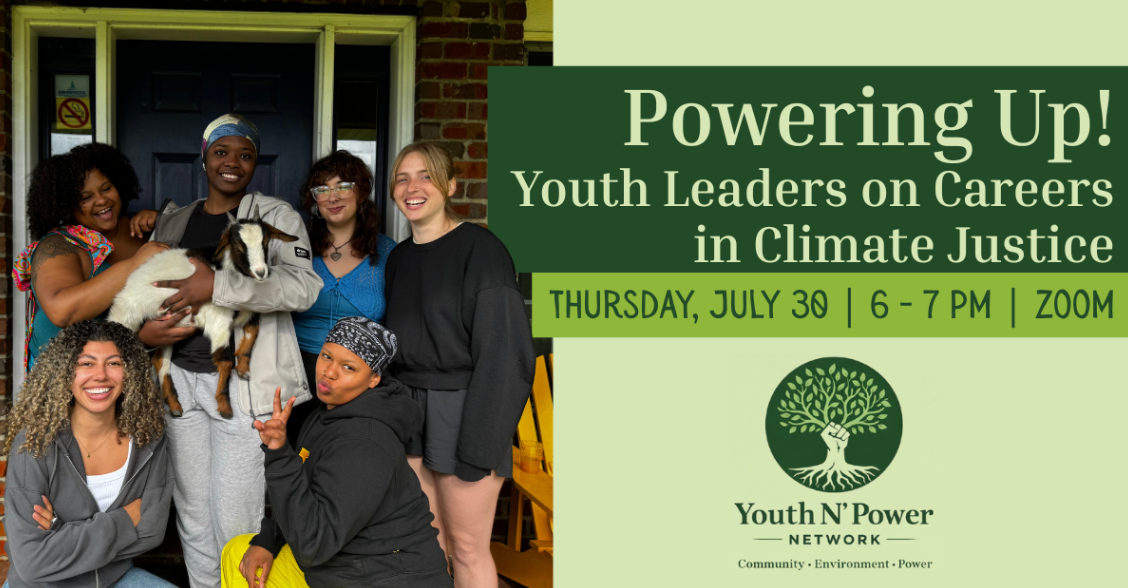
Thursday, July 30, 6:00 - 7:00 p.m.; Zoom Young people across the state are interested in pursuing careers in climate justice. Many of them have already become leaders in the field! Join Youth N'Power for a conversation and presentation about young leaders and their experiences in climate justice careers. You’ll hear firsthand about their experiences navigating school, careers, advocacy, and the transition into becoming professionals. Whether you’re interested in climate justice, community organizing, conservation, or exploring career opportunities, this conversation will offer honest insights, perspective, advice, and encouragement from young people.
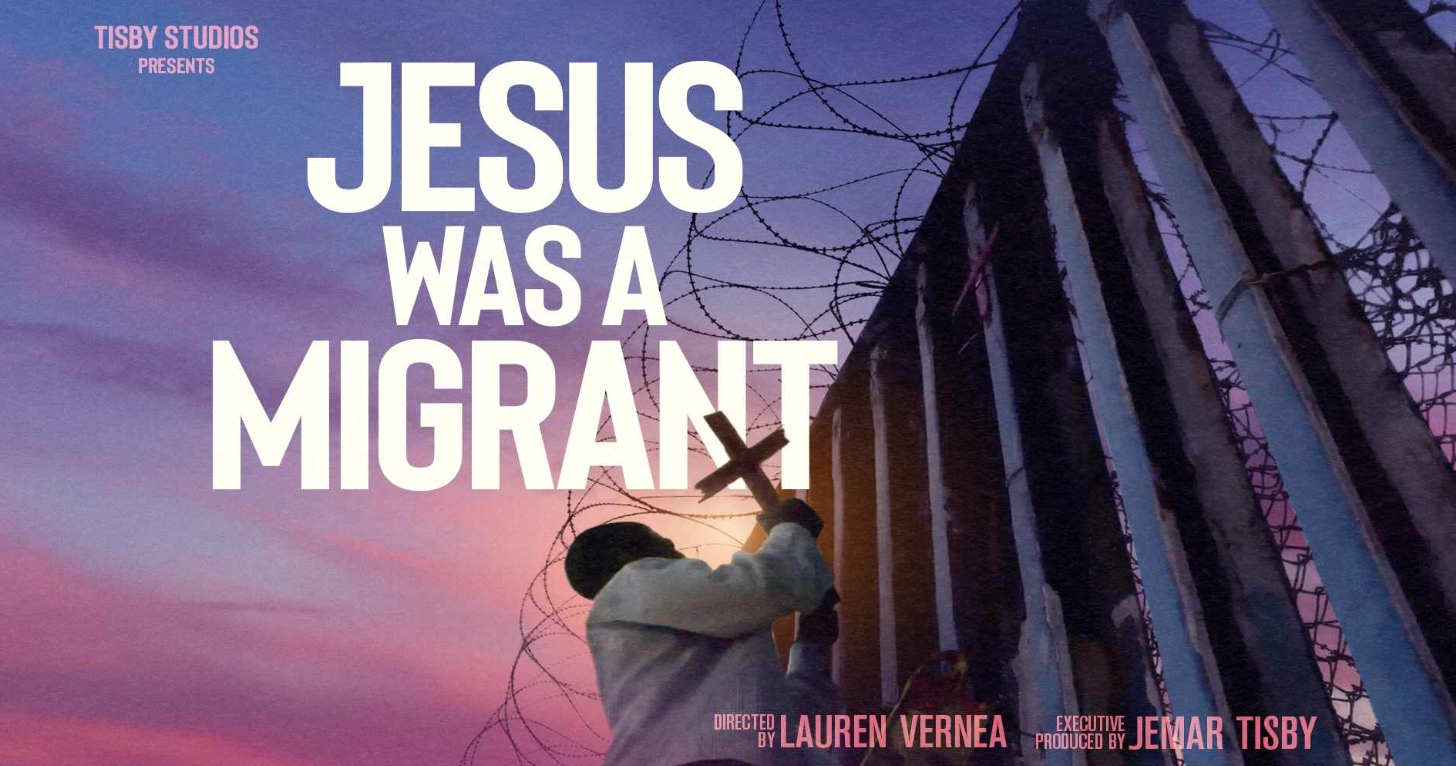
Thursday, August 13, 6:30 p.m, doors open, and 7;00 p.m., screening begins; House of Hope Presbyterian Church, 797 Summit Avenue, St. Paul Join the Minnesota Council of Churches and Minnesota Multifaith Network for a free screening of the documentary “Jesus Was a Migrant,” followed by a guided conversation on Thursday, August 13! This thought-provoking film explores the intersection of faith, migration, and the lived experiences of immigrants and refugees — providing an apt mirror as we reflect on the circumstances we find ourselves in today. Following the screening, guests are invited to participate in a facilitated conversation to discuss the film's themes and consider how faith calls its practitioners to regard their neighbors with compassion, dignity, and understanding. This event is free to attend, but seating is limited. Please register by August 6 to reserve your seat.