• Slide title

    Write your caption here
    Button
  • Slide title

    Write your caption here
    Button

MnMN works to equip Minnesotans
for multifaith learning, leadership, and action.
Our main functions are to:


MnMN CULTIVATES religious literacy through sharing resources for people to educate themselves about different faiths, equip themselves with the tools to combat extremism and be in community with people of different faiths, and encounter people from different faiths to build understanding and community.

MnMN CONNECTS   people and organizations across faith groups through out speaker's bureau and maintaining our map of faith and interfaith organizations across the state of Minnesota.

MnMN CONVENE's with people of all and no faiths at our events and annual Multifaith conference to create a sense of community and bring people together in a practical way to share space, connection, food, and work for a better society. All are welcome!

MnMN COMMUNICATES with and between faith and interfaith organizations and individuals across Minnesota and beyond through our newsletter, website, and social media so that you can easily find current events and resources in this quickly changing landscape.

MnMN COLLABORATES with partner organizations and members across Minnesota to host events, share resources, foster conversations, and more!

Adath Jeshurun Congregation

Church of Jesus Christ of Latter-Day Saints

Clouds in Water Zen Church

The Episcopal Church in Minnesota

Gloria Dei Lutheran Church

Headwaters Mission Center - Community of Christ

International Society for Krishna Consciousness of Minnesota

Joint Religious Legislative Coalition

Luther Seminary

Lutheran Center for Faith, Values, and Community

Mental Health Connect

Minnesota Zen Meditation Center

Mount Zion Temple

Niagara Foundation Minnesota

Prism Organizing Network

Rabata

Saint Paul Area Synod

Saint Peter Good Neighbor Diversity Council

Shir Tikvah

St. Luke Presbyterian

St. Paul Community of Christ

The Episcopal PA

Unity Church Unitarian

Wesley Center for Spirituality, Service, and Social Justice

Featured News
By Bob Hulteen July 14, 2026
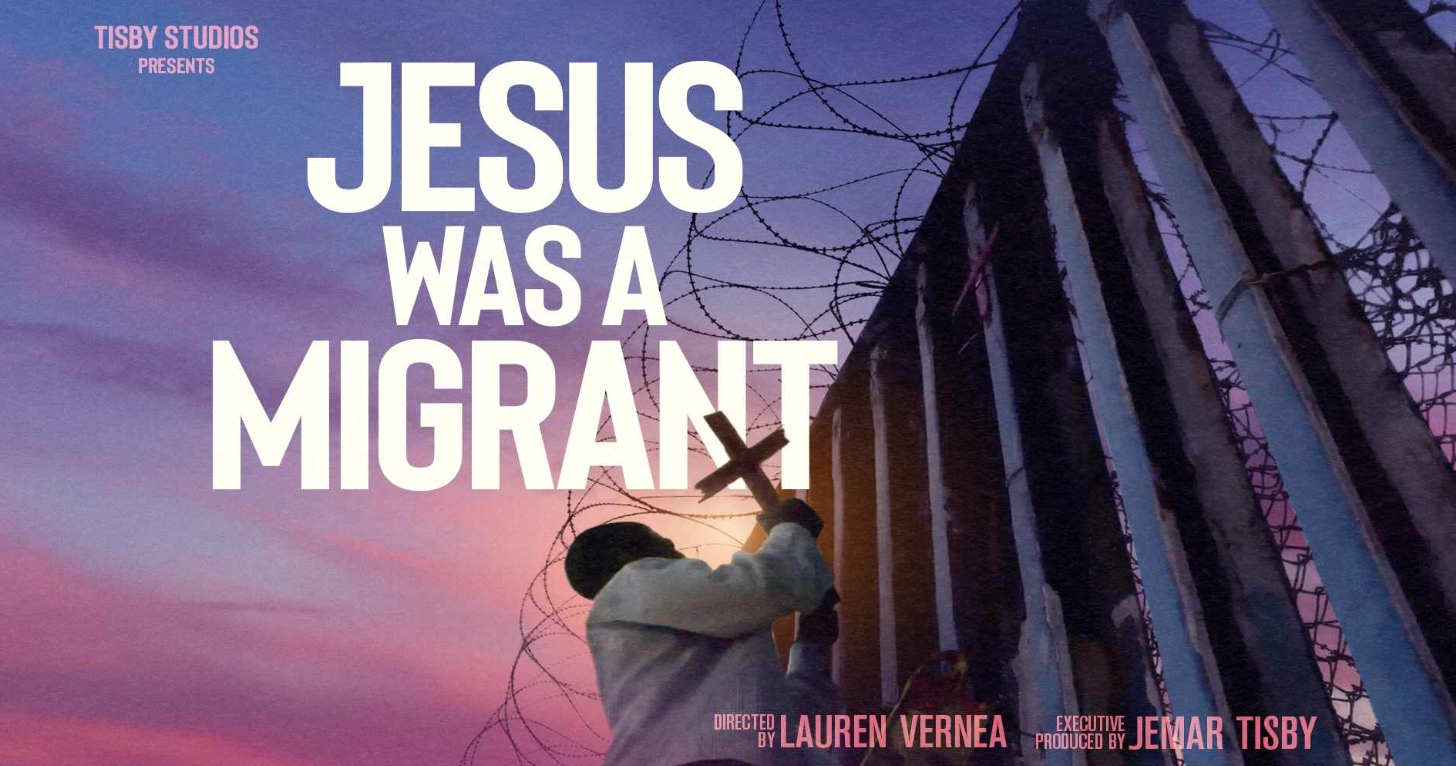
Thursday, August 13, 6:30 p.m, doors open, and 7;00 p.m., screening begins; House of Hope Presbyterian Church, 797 Summit Avenue, St. Paul Join the Minnesota Council of Churches and Minnesota Multifaith Network for a free screening of the documentary “Jesus Was a Migrant,” followed by a guided conversation on Thursday, August 13! This thought-provoking film explores the intersection of faith, migration, and the lived experiences of immigrants and refugees — providing an apt mirror as we reflect on the circumstances we find ourselves in today. Following the screening, guests are invited to participate in a facilitated conversation to discuss the film's themes and consider how faith calls its practitioners to regard their neighbors with compassion, dignity, and understanding. This event is free to attend, but seating is limited. Please register by August 6 to reserve your seat. 
By Bob Hulteen July 14, 2026
The body content of your post goes here. To edit this text, click on it and delete this default text and start typing your own or paste your own from a different source.
By Bob Hulteen July 14, 2026
By Rev. Tom Duke On a steamy, sunlit morning at the Minnesota State Capitol, I stood—proud and admittedly sweaty—among about sixty-five clergy from many religious traditions. We gathered in our varied symbolic garb to affirm a shared commitment: advocating for voting processes that are free, fair, secure, and accessible to all eligible voters in the upcoming elections. Why is this the business of clergy? Because protecting the right to vote protects human dignity—a core value upheld across virtually all religious traditions. That dignity, and the voting rights that honor it, form the foundation of just, peaceful, and healthy communities. Most faith traditions aspire to such communities, and they recognize that democracy depends on safeguarding the voice of every citizen. This commitment is not about partisan politics or specific policy agendas. It is about human thriving and well‑being. Religious leaders understand how institutions can be distorted, even corrupted, by greed and the pursuit of power, and how accountability to voters is a necessary check on those tendencies. The opportunity to choose leaders—or reject them—is as close to sacred as a secular process can be. What made this press conference especially powerful was that clergy from multiple religious traditions spoke publicly with one voice. That unity is possible only because of years of intentional relationship‑building across differences—work that cultivates trust, mutual respect, and shared purpose. Through that process, leaders discover shared values, principles, and aspirations, even as they acknowledge real differences. Although differences often draw the most attention, far more is held in common across traditions than most people realize. When we do not know what we have in common, our differences will divide us; when we do know what we share, those differences can enrich us. Respectful and appreciative relationship‑building across differences is not optional; it is essential to our collective future. As theologian Hans Kung observed, “without peace among religions there will not be peace in the world.” Each of us can stretch toward greater curiosity, reaching out to neighbors of different cultures and traditions to learn what we share and where we differ. We can also support organizations that cultivate interreligious cooperation in service and justice work. I’m grateful to ISAIAH and Faith in US for convening this press conference and to the Minnesota Multifaith Network (MnMN) for its years of relationship‑building. You can read a news story about the press conference and explore the national clergy sign‑on letter, " Faith Leaders Defending Democracy ," which has already been signed by nearly 2,000 clergy across many states. 
SEE MORE NEWS